Meera runs a D2C blue-pottery brand in Jaipur. She has 600 repeat customers, ₹4 lakh in monthly sales and a 38-slide deck she spent three weeks designing. She presents it to an angel group in Delhi. After slide 12, an investor asks, “What does it cost you to get one customer?” She doesn’t know. The meeting ends politely, and nobody calls back.
Her business was fine. Her pitch wasn’t. If you want to pitch to angel investors and walk out with a second meeting, you need a short, honest story backed by numbers. This guide gives you a simple deck structure, realistic expectations and the mistakes to avoid in 2026.
Who Are Angel Investors, and What Do They Want?
Angel investors are individuals, often successful founders or professionals, who invest their own money in early-stage startups, usually before venture funds come in. They typically write the first outside cheque, and they often add advice and introductions.
What do they want? Three things: a big enough opportunity, a team that can execute and early proof that customers care. Money isn’t the hard part. Convincing them you’re worth the risk is.
What Is the Current Angel Scene in India Like?
Healthier than it was two years ago. Sources indicate more than 125 angel networks operate in India, and well-known ones include Indian Angel Network, LetsVenture and Mumbai Angels. The old angel tax was abolished, which removed a headache for both founders and investors.
Cheque sizes vary a lot. Different sources quote ranges from about ₹10 lakh up to ₹1 crore or more for individual angels, and some syndicates write bigger cheques. Early-stage deals often involve roughly 10% to 25% equity, depending on valuation and amount. Treat all of this as a rough guide, not a rule.
How Do You Pitch to Angel Investors Step by Step?
To pitch to angel investors, first prove some traction, build a short deck of about 10 slides, target the right investors through warm introductions, tell a clear story in 10 to 15 minutes, know your numbers cold and follow up quickly. Expect the full process, from first call to money in the bank, to take several months.
One guide I found says an Indian angel round typically takes about 90 to 120 days. Plan your cash accordingly.
Step 1: Get Your Basics Ready First
Before you email anyone, check these:
- A registered entity, like a private limited company or LLP
- A clean cap table showing who owns what
- Your key numbers: monthly revenue, growth, customer acquisition cost, margins and retention
- A clear ask: how much you’re raising, for how long and for what
Honestly, investors forgive an average deck. They don’t forgive a founder who can’t explain their own numbers. Meera’s problem was exactly that.
Step 2: Build a Simple 10-Slide Deck
Keep it short. Each slide should carry one idea. Here’s a structure that works:
- Title and one-liner: What you do, in one sentence.
- Problem: Who has this problem, and how painful is it?
- Solution: Your product and why it’s better.
- Product or demo: A screenshot, photo or short walkthrough.
- Market size: A realistic estimate, not “India has 140 crore people.”
- Traction: Revenue, users, repeat rate, pilot customers.
- Business model: How you make money and your margins.
- Go-to-market: How you’ll find customers and what it costs.
- Competition: Who else exists, and why you win.
- Team, ask and use of funds: Who you are, how much you want and what you’ll do with it.
If you have more to say, put it in an appendix. Nobody ever lost a deal for sending a short deck.
Step 3: Find the Right Investors
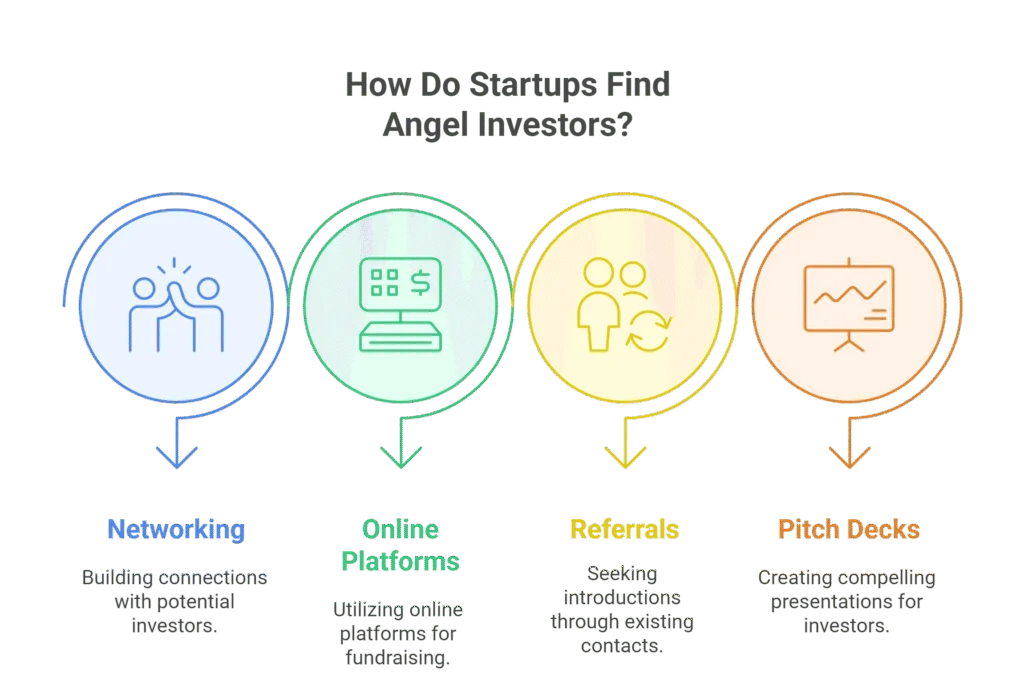
Don’t blast 200 cold emails. A warm introduction from a founder, mentor, incubator or lawyer is far more likely to get a reply than a cold email, according to the funding guides I read.
Look for investors who’ve backed your sector or stage. Use angel networks, incubators like T-Hub or startup events, and platforms like LetsVenture. A Jaipur founder doesn’t have to move to Bengaluru. Many angels now meet online, though some prefer an in-person coffee.
Have you ever sent the same generic message to fifty people? The result is usually fifty silences.
What Should You Say in the Pitch Itself?
Aim for 10 to 15 minutes of talking, then leave time for questions. Open with the problem in one human story, not a market statistic. Then move quickly to your traction.
Practise answering these common questions:
- How much does it cost to acquire a customer, and how fast do you earn it back?
- What are your gross margins?
- Why are you the right team?
- What happens if a bigger company copies you?
- How will you use the money, and what will you achieve in 12 to 18 months?
Say “I don’t know, but here’s how I’ll find out” when you’re stuck. It’s better than a made-up answer.
What Are Investors Looking for in 2026?
Funding guides describe a focus on clear unit economics, retention and healthy margins, not just growth. One commentary notes that many decks tack “GenAI” onto the story, and investors have learned to filter those out.
So don’t use buzzwords to fill gaps. If you use AI, explain exactly what it does for your customer and your costs.
Understand the Terms Before You Sign
Angels may invest through equity, convertible instruments or other structures. Know what each means before you negotiate. Ask about valuation, board seats, information rights and what happens in future rounds.
I’m not a lawyer or financial advisor. Get a startup lawyer or CA to review the term sheet. A few thousand rupees spent here can save lakhs later.
Common Mistakes to Avoid
- Sending a 30-slide deck
- Overstating your market size or revenue
- Not knowing your customer acquisition cost or margins
- Dodging questions about competitors
- Asking for money without a clear plan for using it
- Following up once and giving up
A good pitch to angel investors is a conversation. If it feels like a performance, you’ve probably lost the room.
How to Follow Up
Send a short thank-you email within 24 hours with your deck, key numbers and any documents you promised. If an investor says “let’s talk next month,” put it in your calendar and update them with progress in between.
Updates that show growth, even small, keep you in their mind. One line like “We added 40 repeat customers this month” works well.
FAQs About How to Pitch to Angel Investors
How do I find angel investors in India?
Use angel networks, incubators, startup events, LinkedIn and warm introductions from other founders.
How much do angel investors usually invest?
Sources quote wide ranges, often from ₹10 lakh to ₹1 crore or more per angel, with some syndicates writing larger cheques.
How much equity do angels usually take?
Often around 10% to 25% in early deals, depending on valuation and amount, but it varies.
How long does it take to raise angel money?
Often three to four months or more from the first conversation to funds in the bank.
What should be in an angel investor pitch deck?
Problem, solution, product, market, traction, business model, go-to-market, competition, team and the ask.
Do I need revenue before pitching angels?
Not always, but some proof of demand, like pilots, waitlists or early customers, greatly helps.
Conclusion
To pitch to angel investors well, keep it simple: show a real problem, early traction and a team that can execute, in about 10 slides and 15 minutes. Know your numbers, get warm introductions, ask for a clear amount and have a lawyer check the terms.
This week, pick the five numbers you’d have to defend in a meeting, such as revenue, growth, acquisition cost, margin and repeat rate. Write each on one page. If you can’t fill it in, that’s your homework before any pitch. Meera did this, cut her deck to 11 slides and got her second meeting.
Internal link suggestions:
- [link to related guide about startup idea validation here], in the “Get Your Basics Ready First” section
- [link to related article about DPIIT recognition here], in the “What Is the Current Angel Scene” section
- [link to related post about how to find a co-founder and split equity here], in the “Understand the Terms” section
Image alt text suggestions:
- “Startup founder in Jaipur presenting a pitch deck to angel investors in India”
- “Simple 10-slide pitch deck structure for pitching to angel investors”
- “Founders and angel investors discussing a term sheet at a table”